The Methodist Who's Who 1915:
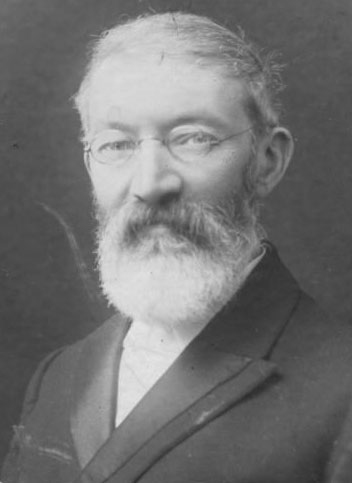
SADLER, Rev. John; b. June 11, 1846, at Huxley, Chester; s. of John and Martha Sadler; m. Sarah, d. of E. Smith, of Redruth, Cornwall; three s. three d. Educ. Elmfield Coll., York; s.m. 1867. Address: 1 Hydro Avenue, West Kirby, Cheshire. P.
Minutes 1924 Primitive Methodist Year Book (Page 281)
John Rylands University Library of Manchester
Rev. John Sadler
Methodism has made much of village possibilities, and the reward of its investments has often been in the
… The Methodist Who's Who 1915:
SADLER, Rev. John; b. June 11, 1846, at Huxley, Chester; s. of John and Martha Sadler; m. Sarah, d. of E. Smith, of Redruth, Cornwall; three s. three d. Educ. Elmfield Coll., York; s.m. 1867. Address: 1 Hydro Avenue, West Kirby, Cheshire. P.
Minutes 1924 Primitive Methodist Year Book (Page 281)
John Rylands University Library of Manchester
Rev. John Sadler
Methodism has made much of village possibilities, and the reward of its investments has often been in the capture for Christ of young men of strength and stamina, active, gifted, devoted, country born and bred. Such a conquest was made in the subject of this sketch. John Sadler was born at Huxley, near Chester, June 11th 1846. The ancestral home was not only the centre of household love and industrious tasks, but also it became the sanctuary where the World of Life was regularly proclaimed. A service under an elm tree outside the house in 1819 sent the message of salvation home to the heart of John's father, and a class of nine members was soon formed. That home thus became definitely Christian, and the rest-house of many of our pioneers. Hugh Bourne frequently spent week-ends there, and William Sanders (author of "Hark the Gospel news is sounding"), composed many of his poems there, Mr, Sadler, senior, copying them out for him. Amid such associations and influences, the spiritual crisis came to John, at the age if thirteen. A little later, he removed to Manchester, returning occasionally on holiday. It was while on a brief visit home that he preached his first sermon (at Clotton). He was barely fifteen, but there were five converts that night, and the Chester Circuit officials recommended him for the ministry. At the age of nineteen, he went to Elmfield College, there to become devotedly attached to his tutor, Rev. John Petty. Mr. Sadler always held that his master's life was an education in itself, and the influence of this saint, scholar, theologian, and author, radiating constant impulses to highest things, can scarcely be over estimated. Two short years, and then the student came away from Elmfield with a soul on fire for the Kingdom, and started on his actual life-work as a minister. He faithfully served at St. Helens, Knowlwood, Redruth (three times), Penzance, Swansea, Blackburn (twice), Hyde, Colne, Halifax, Huddersfield, Douglas (where he built and opened the church at Bucks Road), Maryport, Glasgow, St. Ives (twice), and Castletown. At Redruth he began his ideally happy married life, Mrs. Sadler being the third daughter of Mr. Edward Smith, a well-known Sunday School teacher, class leader and society steward at Redruth. It was Redruth also that the active ministry concluded, after forty-seven years. Later, our friend dwelt in West Kirby, thence removing after five years to Tarvin (where his esteemed brother Albert then resided), and near to his birthplace. During the last few years, there were occasional signs of the impending serious illness which ushered our friend into the brighter world, but his courage and cheerfulness were very marked, and he rejoiced unfeignedly when the scattered members of his family (three sons and three daughters survive), were gathered together last year to celebrate the golden wedding. John Sadler had his share of chapel building, and raising funds to meet liabilities, he has taken his part nobly in public life, but preaching was his true function and delight. Daniel Neilson has written of his tall erect form, alert and keen, of his searching eye, his musical voice, his mobile features, his graceful pose, his active brain, his gentle manner, his wide culture, his artistry in words, his genuine passion, his direct aim to win men to God and build character. Under that long and earnest ministry the consciences of men have been roused, hearts searched, conversations accomplished, revivals promoted. Sterling character, thankfulness, reverence, earnest desire (right through to the end), for the well-being of the church and of the Kingdom, were noteworthy features of his years of retirement. His latter days were storehouse of all that had gone before. The successive lessons of life had been wisely learned, and the last and gravest problem was manfully faced. He loved the Methodist Church and all its institutions, and latterly clung, more and more, to his home and friends. His great grief at last was to be deprived of the benefits of public worship, and to think that he would never again proclaim the gospel. To pray with him was to discover how deep and genuine was his love to Christ. His passing, on April 17th was peaceful, and he believed he was bound for a familiar clime. We laid the remains away in our little cemetery at Huxley, his birthplace, and there gathered a large and representative company, including Revs. R. Quick (son-in-law), W. B. Tunley and J. W. Waddell. The latter represented the District and General Committees, and gave a moving address. "Truly the memory of the just is blessed."
William B. Tunley